
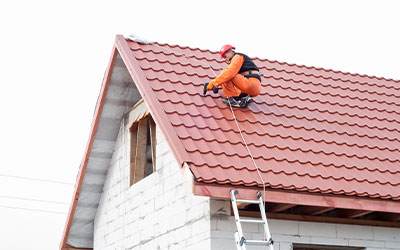
Roof repair is one of those things that looks straightforward from the ground but gets complicated fast once you’re actually up on the roof. A missing shingle or a water stain on the ceiling tells part of the story, but experienced roofers know the real picture is often hiding underneath what you can see. Understanding how professionals assess damage, and why visible problems don’t always tell the whole truth, can help you make smarter decisions about your home.
What “Visible Damage” Actually Means
Visible damage is exactly what it sounds like: the stuff you can spot without pulling anything apart. Cracked, curling, or missing shingles. Granules collecting in your gutters. Moss or algae spreading across the surface. Flashing that’s pulling away from a chimney or vent. These are real problems, and they do need attention, but they’re also just the starting point of any honest roof inspection.
In the Pacific Northwest, weather puts roofs through a lot. Homeowners in Kent, Auburn, and Renton deal with long wet seasons and heavy rainfall that accelerate wear in ways that aren’t always obvious from the street. By the time a shingle looks visibly bad, there’s a decent chance moisture has already worked its way into the layers below.
The Hidden Damage That Changes Everything
This is where the real diagnostic work happens. A roofer isn’t just looking at the surface; they’re evaluating the underlayment, the decking beneath it, and how well the whole system is managing water. Soft spots in the decking suggest rot. Saturated underlayment can’t protect against future moisture even if the shingles above look passable. And poor ventilation, which is easy to overlook entirely, can quietly bake a roof from the inside out over years.
We’ve been doing this work in Enumclaw and across the South Puget Sound region since 1971, and one thing that hasn’t changed is how often hidden damage surprises homeowners who thought they just needed a patch. That’s not a sales tactic; it’s just the nature of roofing systems. Water finds paths you wouldn’t expect, and problems that started in one spot often spread before anyone notices.
Cedar shake roofs, which are common in older homes around Maple Valley and Enumclaw, are a good example. The shakes themselves might look intact, but the felt underlayment beneath them degrades over time, and moisture damage to the decking can be significant before a single shake shows a crack. Composition roofs have their own version of this: granule loss on the surface looks minor but signals that the shingle’s protective layer is failing, leaving the layers below increasingly vulnerable.
How We Decide What Actually Needs Repair
A thorough inspection has to account for both what’s visible and what isn’t. When our crew assesses a roof, we’re looking at the age and overall condition of the system, not just the problem area. We’re checking how water moves across the surface, where it pools, and whether the flashing and seals around penetrations are doing their job. We’re also looking at what’s happening in the attic, because interior moisture and inadequate ventilation often point directly to where exterior repairs need to happen.
From there, the decision about what to repair comes down to a few honest questions. Is the damage isolated, or is it symptomatic of broader deterioration? Will a targeted repair hold up, or will the surrounding material fail in the next season or two anyway? Is the decking solid enough to support new roofing material? These aren’t always easy answers, but they’re the right ones to work through before recommending anything.
When storm damage is involved, the assessment gets one more layer of complexity. We work directly with homeowners’ insurance companies on claims, which means we’re documenting damage in a way that supports the claims process, not just flagging the obvious spots. Homeowners in Renton, Kent, and Auburn who’ve dealt with a significant wind or hail event know how important that documentation piece is.
Repairs That Hold Up Over Time
The goal of any good roof repair isn’t just to fix what’s broken today. It’s to leave the system in a condition where it can do its job for years. We back our work with warranties, and we’ve had customers pull out paperwork nearly a decade later and receive service on it. That kind of accountability keeps us honest in our assessments from the start.
If you’re not sure whether what you’re seeing on your roof is cosmetic or something more serious, give us a call or drop us an email. We’re happy to talk through what you’re noticing and help you figure out what, if anything, actually needs to be done.