
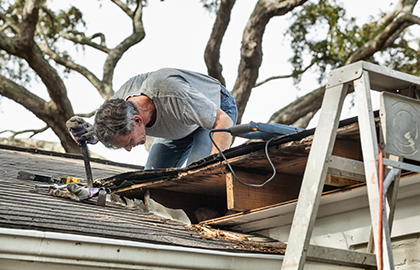
If a storm rolls through and leaves your roof damaged, the last thing you want is confusion about what happens next. Emergency roof repair is stressful enough on its own, and figuring out how insurance fits into the picture can feel like a whole separate problem. The good news is that the process is more straightforward than most homeowners expect, especially when you have an experienced roofer in your corner from the start.
What Counts as Storm Damage (and What Doesn’t)
Insurance policies generally cover damage caused by sudden, accidental events. High winds, hail, falling branches, and heavy snow loads are common culprits here in the South Puget Sound area. We see this kind of damage regularly in Enumclaw, Bonney Lake, and the communities around them, particularly in the fall and winter months when storms can move in quickly.
What insurance typically does not cover is damage from deferred maintenance or gradual wear. A roof that has been leaking slowly for years, for example, may not qualify for a claim. This is one reason it pays to get a professional inspection as soon as possible after a storm. Documenting the damage early, and connecting it clearly to the storm event, is one of the most important steps in a successful claim.
The Claims Process, Step by Step
Here is a general picture of how things tend to unfold after storm damage.
Secure the property first. Before anything else, the immediate priority is stopping further damage. A qualified roofer can apply temporary tarping or other protective measures to keep water out while the claim is being processed. This matters because most insurers require you to take reasonable steps to prevent additional loss.
Document everything. Photos and video are your best friends here. Walk around the exterior and photograph any visible damage to shingles, flashing, gutters, and fascia boards. If it is safe to do so, note the date and time of the storm. Save any weather alerts or reports that confirm the event in your area.
File your claim promptly. Contact your insurance company as soon as possible. They will assign an adjuster to assess the damage. The adjuster’s job is to estimate the scope and cost of repairs on the insurer’s behalf, so it helps to have your own roofer present during that inspection.
Get your roofer involved early. This is where working with someone experienced makes a real difference. We have been working directly with homeowners’ insurance companies on claims for a long time, and we know how to communicate the full scope of damage clearly to adjusters. Homeowners in Renton, Auburn, and Kent often tell us that having us present during the adjuster visit helped them avoid a lowball estimate.
Review the settlement offer carefully. Once the adjuster submits their report, the insurance company will issue a settlement offer. This will typically include an actual cash value payment upfront, with a supplemental payment once repairs are completed (this is called recoverable depreciation). Your roofer should be able to help you understand whether the estimate covers the actual cost of quality work.
A Few Things Worth Knowing About Your Policy
Most homeowners’ policies have a deductible, which is the amount you pay out of pocket before insurance covers the rest. Be cautious of any contractor who offers to waive your deductible; in Washington State, that practice raises legal and ethical concerns.
Policies also differ on whether they pay replacement cost value or actual cash value. Replacement cost is generally more favorable because it pays to restore your roof to its pre-storm condition with similar materials, without deducting for depreciation. It is worth reviewing your policy before storm season arrives so you know exactly what you have.
Why Having the Right Roofer Matters
Navigating a storm damage claim while also managing repairs is a lot to take on. We have been serving the South Puget Sound region since 1971, and helping homeowners through exactly this kind of situation is a big part of what we do. Whether you have a composition shingle roof, a cedar shake roof, or a torch down roof on a commercial building, we can assess the damage, work with your insurance company, and get you back under a solid roof.
Our customers in Maple Valley, Bonney Lake, and across the surrounding areas have trusted us through decades of Pacific Northwest storms, and our warranties back up that commitment long after the repairs are done.
If your roof has taken storm damage and you are not sure where to start with the insurance process, please give us a call or drop us an email. We are happy to walk you through it.