
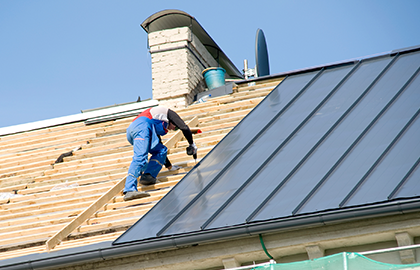
When a big storm rolls through the Pacific Northwest, a good roofer can be the difference between a fast, honest repair and a drawn-out headache you didn’t see coming. Heavy fall weather in our region brings real risk. Wind lifts shingles, moss-softened cedar shake cracks under debris, and low-slope roofs collect standing water. And right behind every major storm comes a wave of contractors you’ve never heard of, driving unmarked trucks and knocking on doors before the rain has even stopped. Knowing how to tell them apart from a legitimate, experienced roofer is genuinely important.
Storm-Chasers: What They Are and How They Work
Storm-chasers are contractors, sometimes from out of state, who follow severe weather events from region to region. They show up in volume, they work quickly, and they’re typically gone before you realize there’s a problem with the work. Their pitch is usually urgent. They’ll point to damage on your roof, offer a price that seems reasonable, and pressure you to sign something on the spot. Some ask for a large deposit upfront and disappear entirely. Others do perform work, but cut corners that won’t show up until the next big rain.
We’ve been doing this since 1971. Over the decades, we’ve seen homeowners in Auburn, Kent, and Bonney Lake come to us after paying someone else who vanished or did shoddy work. It’s one of the things that genuinely frustrates us, because it almost always could have been avoided with a few simple checks.
What an Experienced Local Roofer Actually Looks Like
A legitimate roofer has a physical presence in the community, a real business address, verifiable licensing, and a track record you can read about. They don’t rush you. They walk you through what they found, explain your options clearly, and give you time to ask questions. They also stand behind the work after the job is done. We still honor warranty calls years later. A customer pulled out a warranty from nearly a decade prior and we came out to take care of it. That’s not unusual for us; it’s just how we operate.
Local contractors also understand this climate in a way that out-of-town crews simply don’t. Maple Valley, Enumclaw, and the surrounding areas get a specific combination of wind, rain, and seasonal temperature swings that affects how roofing materials perform and age. Knowing when cedar shake needs replacing versus patching, or why torch down roofing holds up well on low-slope commercial roofs in this part of Washington, comes from years of working here, not from following a storm up I-5.
How to Protect Yourself After a Storm
The most important thing you can do after a storm is slow down, even when the pressure to act feels urgent. Roof damage is real, and ignoring it genuinely causes bigger problems, but signing with the first person who knocks on your door is rarely the answer.
A few practical steps worth taking:
- Ask for a Washington state contractor license number and verify it before agreeing to anything.
- Look for a local business address, not just a phone number.
- Check online reviews from people in your area, not just aggregate stars.
- Be cautious of anyone who pushes you to sign immediately or asks for full payment upfront.
- If you have homeowner’s insurance, talk to your insurer before work begins. A reputable contractor will work directly with your insurance company, and we do exactly that.
We also offer financing, which means you’re not stuck making a rushed financial decision just because a contractor is hovering at your door.
What November Weather Means for South Puget Sound Roofs
November is when the Pacific Northwest really settles into its wet season. For homeowners across Kent, Auburn, Enumclaw, and surrounding areas, that means any damage from October storms, loose flashing, lifted shingles, or compromised cedar shake, is now sitting under consistent rain. The longer minor damage sits, the more likely it is to become interior water damage, and that’s a much bigger repair.
If your roof took any hits this fall, now is a good time to have a trusted, local roofer take a look. Not a stranger at the door. Someone who’s been doing this work in your community for a long time, who knows what they’re looking at, and who will still be here when you need them again years from now.
If you’re not sure where your roof stands after recent weather, give us a call or drop us an email. We’re happy to help you figure out what’s going on and talk through your options, no pressure involved.