
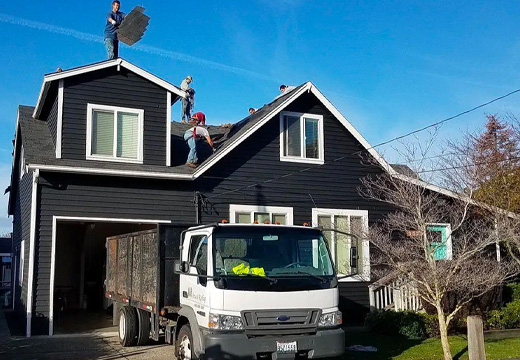
Composition roof installation is one of the most common roofing projects we handle across the South Puget Sound region, and yet most homeowners have never seen the full process up close. If you’re planning a new roof or replacement and you’re curious about what actually happens once a crew shows up at your house, this post walks you through it from start to finish. No surprises, no mystery.
Why Composition Shingles Are So Popular Here
Asphalt composition shingles have been the go-to choice for homeowners in Auburn, Renton, Kent, and across the Pacific Northwest for decades. They hold up well against the region’s wet winters, they come in a wide range of styles and colors, and they offer a solid return on investment. They’re also compatible with most existing roof structures, which makes replacement straightforward in the majority of cases. After more than 50 years of roofing in this area, we’ve installed more composition roofs than we could ever count, and the process still starts the same way every time: with a thorough look at what’s already there.
Step One: Inspection and Prep Work
Before a single shingle comes off the truck, we assess the existing roof condition. We’re looking at the decking beneath the shingles, the condition of any existing underlayment, the state of flashing around chimneys, vents, and skylights, and whether there are any soft spots or areas with moisture damage. This step matters a lot. Skipping or rushing it leads to problems down the road, and that’s not something we’re willing to do for homeowners in Bonney Lake, Maple Valley, or anywhere else we work.
Once the inspection is done, we protect your property. That means tarps over landscaping, magnets to catch any roofing nails, and care taken around gutters and siding. Then the tear-off begins.
Step Two: Removing the Old Roofing Material
The existing shingles and underlayment are removed down to the deck. This is one of the more physically demanding parts of the job, and it generates a lot of debris. We load it off as we go and keep the work area as clean as possible throughout the day. If the decking underneath shows any rot, warping, or damage, we replace those sections before moving forward. Putting new materials over compromised wood is a shortcut that causes real problems, and it’s never something we recommend.
Step Three: Installing Underlayment and Flashing
With the deck clean and solid, we install a layer of roofing underlayment. This moisture barrier sits between the deck and the shingles and adds a critical layer of protection, especially important given how much rain Renton, Kent, and the rest of the South Puget Sound area see in the fall and winter months. We’re heading into September, which means conditions can shift fast, so this layer is never optional in our work.
Flashing goes in next. Metal flashing seals the vulnerable spots where the roof meets vertical surfaces, like chimneys, walls, and pipe boots. Proper flashing is one of the most important factors in a leak-free roof, and it’s an area where a lot of less experienced crews cut corners. We don’t.
Step Four: Laying the Composition Shingles
Now the shingles go on. We start at the eaves and work our way up, overlapping each course to shed water properly. Every shingle is fastened at the manufacturer-specified nailing zone, which matters for both wind resistance and warranty compliance. Ridge cap shingles go on last, finishing the peak and tying the whole system together. A properly installed composition roof has a clean, consistent look across every slope, and we take pride in that level of finish.
Step Five: Final Inspection and Cleanup
Once the shingles are down, we walk the entire roof again. We check flashing, inspect the ridge, look at all the penetrations, and make sure nothing was missed. Then we do a thorough ground cleanup, run the magnet across the yard and driveway again, and haul away all the debris. We want to leave your property in better shape than we found it.
We also back our composition roof installations with warranties, so you have peace of mind long after the crew has packed up and gone. We’ve been in business since 1971, and homeowners from Auburn to Maple Valley have trusted us with their homes for generations. That kind of track record means something to us, and we don’t take it lightly.
If you’re thinking about a new composition roof or have questions about what the process would look like for your specific home, give us a call or drop us an email. We’re always happy to talk it through.